Further learning
Persistent delirium: assessment and continuing care
Assess ongoing delirium, continue treatment and rehabilitation, and plan care after transfer or discharge.
About this module
Delirium does not always resolve when the first trigger or triggers have been treated. It may improve only partly, continue to fluctuate, or still be present when a person moves to another ward, rehabilitation setting, care home, or home. Ongoing delirium needs an active plan. Otherwise, remaining causes, distress, loss of function, and follow-up needs can be missed.
Before you start: With JavaScript and browser storage available, quiz answers and your place are saved in this tab for the current browser session. Names and completion certificates are not saved. Print or save your completion certificate before leaving.
Learning outcomes8 outcomes
By the end, you should be able to
- Describe persistent delirium.
- Recognise that partial improvement or a lucid period does not necessarily mean recovery.
- Compare the person’s current cognition and function with their usual baseline.
- Monitor recovery across cognitive, psychological, and functional features.
- Repeat the assessment of possible causes and contributing factors.
- Recognise when unexplained or atypical persistent delirium needs further investigation or specialist assessment, including assessment for autoimmune encephalitis.
- Continue multicomponent care and rehabilitation while delirium is present.
- Hand over unresolved delirium with a named review and follow-up plan.
This module includes recognising when a specialist assessment is needed. Detailed management of encephalitis, seizures, catatonia, intoxication and withdrawal follows the relevant specialist and local pathway.
- Recognise itDo not assume a new baseline
- Check the whole dayCompare with usual cognition and function
- Look againRepeat the examination and review causes and treatment
- Continue careTreatment, comfort and rehabilitation
- Share responsibilityRecord who will review the person and when
At transfer or discharge, record and hand over the current diagnosis, remaining risks, review plan and reasons for earlier reassessment.
1. What persistent delirium means
There is no agreed clinical or research duration that defines persistent delirium. It should not be defined for every person as delirium lasting more than five days, seven days, or any other single threshold. However, clinically it is useful to start considering persistent delirium from about 5 days onwards.
In practice, persistent delirium is a useful description when delirium remains after initial assessment and treatment, particularly when it is still present at transfer, discharge, or later review. The person may be less unwell than at the start and still have delirium. Inattention, altered alertness, disorganised thinking, perceptual disturbance, sleep-wake change, or fluctuation may remain.
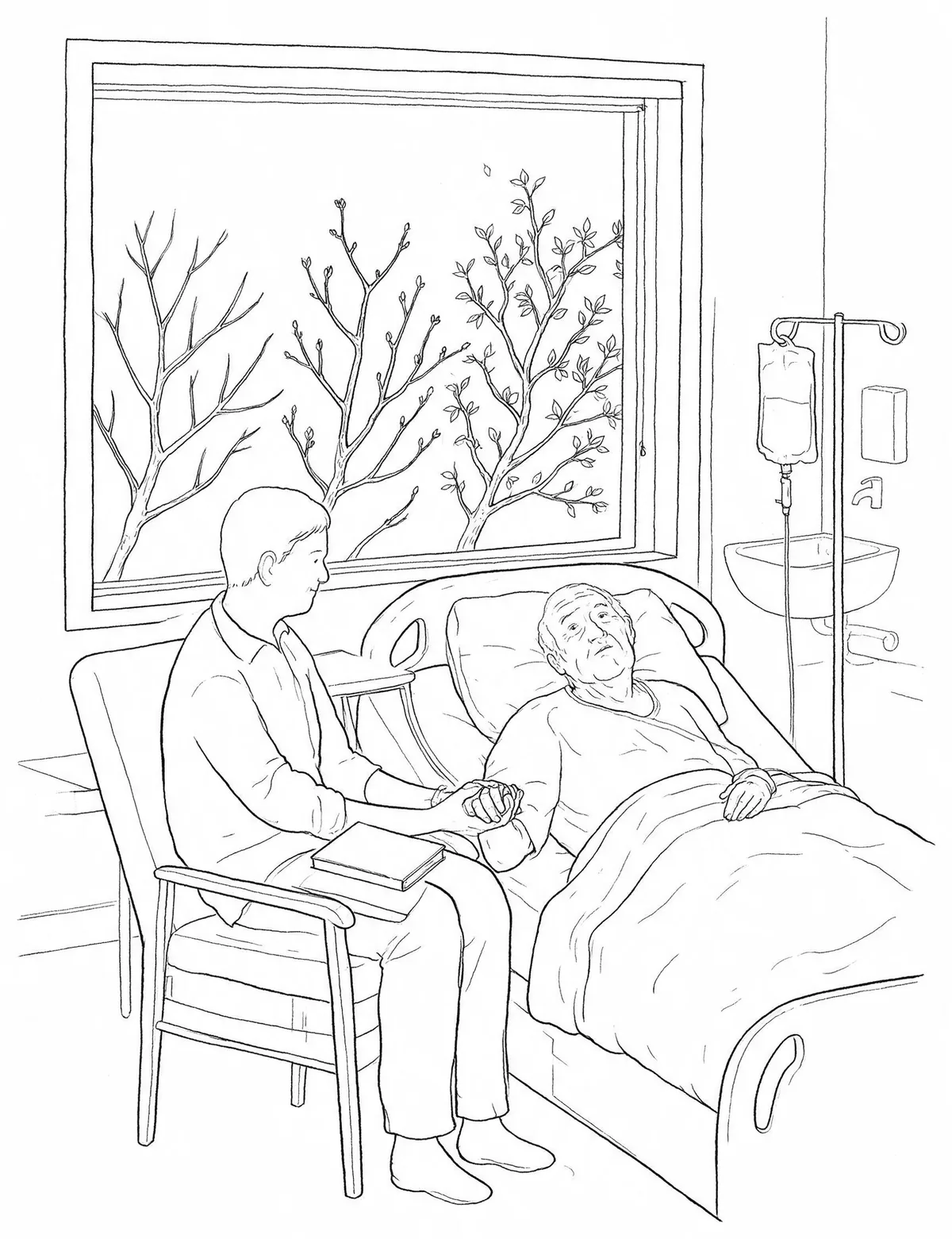
A 2022 systematic review defined persistence for research as delirium at follow-up at least one week after the first assessment. That was a study rule, not a universal clinical definition. It included 23 studies and 3,186 older hospital patients outside critical and palliative care. In 13 studies with discharge data, the pooled estimate was that 36% of participants who had delirium initially still had it at discharge (95% confidence interval 22% to 51%). Variation was substantial (all I2 values above 89%), so this is not a rate to apply to an individual service or person (Whitby et al. 2022).
The review’s modelled 12-month estimate was 16% (95% confidence interval 6% to 25%), with low precision and few data beyond six months. Studies were from high-income countries, mostly involved acute illness, varied in delirium assessment, and had substantial loss through death or follow-up. At longer follow-up, they could not always separate uninterrupted delirium from a new episode. The estimate does not mean that one person in six remained continuously delirious for a year.
Persistent delirium has been associated with poorer functional recovery and higher mortality in selected post-acute observational cohorts. These studies do not establish cause and effect or predict the outcome for an individual person. Further recovery may still occur.
2. Assess recovery
Delirium fluctuates. A clear conversation during a morning review does not show recovery if the person had marked inattention, drowsiness, fear or disorientation during the night. Likewise, a lower assessment score may represent genuine improvement without showing complete recovery.
One clear moment does not show recovery
Start with the person’s usual baseline. Record what they were normally able to do, who provided the information, and when that baseline was last observed. Family, carers, care-home staff, and previous records may describe changes that are not apparent during a short bedside assessment.
Review the person more than once and use information from the whole day. The 4AT is a brief bedside tool that supports delirium assessment. One 2025 single-centre study assessed 120 hospital patients aged 70 or older two to four times over no more than nine days. Only 18 recovered, so early estimates of specificity were imprecise. A repeated 4AT can support short-term serial assessment in a similar ward, but it has not been validated for long-term or community recovery assessment. No score on its own proves resolution (McCartney et al. 2025).
- attention, alertness, orientation, communication, and fluctuation;
- distress, fear, hallucinations or suspicious ideas, and sleep-wake pattern;
- eating, drinking, continence, and ability to take medicines safely;
- mobility, transfers, self-care, and participation in rehabilitation; and
- the difference between current ability and the person’s usual baseline.

Document observed features rather than writing only “confused” or “better”. For example: “Still loses the thread after one question, drowsy before lunch, frightened overnight, needs two people to stand; daughter reports this is not usual.”
If dementia is known or suspected, acute fluctuation and change from baseline are still important. If it is difficult to distinguish delirium, dementia, or delirium superimposed on dementia, NICE advises managing delirium first.
Unscored observation activity
Watch closely: a brief response does not prove recovery
Observation task: Watch the whole clip. What should happen next?
Simulated teaching scene.
This activity is formative. It is separate from the 10-question knowledge check and does not affect your score.
Reveal the best answer and commentary
Best answer: B.
The clip shows Eileen’s voice fading and her head dropping, followed by reduced responsiveness. The clip does not establish the cause. Use the local ABCDE approach, checking airway, breathing, circulation, disability and exposure, along with full observations, and escalate urgently if the reduced alertness is new, marked or worsening. Once immediate safety has been addressed, judge recovery using repeated clinical observations, current function, usual baseline and information from family, carers, familiar staff or records. This brief exchange does not establish that delirium has resolved.
Read the transcript
A nurse asks Eileen what month it is. After a pause, Eileen replies slowly, “Is it… winter…?” Her voice fades and her head droops towards the pillow. The nurse says, “Eileen?”
3. Reassess causes and consider other diagnoses
A person may remain delirious after the first illness has improved. Repeat the assessment of what is still present, what has changed and what remains unexplained. A documented cause at admission may account for only part of the subsequent course. NICE CG103
Looking again when delirium persists
Continue treatment, support and rehabilitation while this work goes on.
Repeat the history, examination and review of treatment
Reconstruct the course from before admission to the present. Ask the person, family and staff about earlier memory or behavioural change, falls, brief episodes of unresponsiveness and changes after treatment. Compare observations across the day. Repeat the physical and neurological examination, including speech, eye movements, limb findings and movement or gait where assessment is possible.
- observations, oxygenation, circulation, and evidence of clinical deterioration;
- response to treatment of infection, inflammation, or another acute illness;
- pain, including pain that the person may struggle to describe;
- hydration, nutrition and relevant blood results, including kidney function, glucose and electrolytes;
- urinary retention, constipation, continence and evidence that may suggest infection;
- all medicines, including recent starts, stops, dose changes, medicines with anticholinergic effects, sedatives, opioids, and unintended omission or withdrawal;
- sleep disruption, repeated ward moves, excessive noise or stimulation, isolation, and unfamiliar routines;
- hearing, vision, communication needs, and whether sensory aids are present and working; and
- immobility and complications such as pressure injury, aspiration, loss of strength or function, or a fall.

Check what medicines the person has actually received, including as-needed doses and omitted regular treatment. Review whether changing kidney or liver function could alter drug exposure. Consider further metabolic or endocrine tests when the history, examination or initial results suggest them. An investigation plan should state the suspected cause and how the result could change care.
Reassess conditions that can resemble or coexist with delirium
Catatonia can coexist with delirium. Look for a pattern of signs such as posturing, waxy flexibility or echolalia, rather than diagnosing it from reduced speech or withdrawal alone. Seek liaison psychiatry or neurological assessment as appropriate. Treatment of catatonia requires a specific plan; improvement in its motor signs does not establish recovery from delirium. BAP guidance
Depression, psychosis and medication-related sedation can also complicate assessment. Review mood, unusual beliefs and medicine exposure alongside attention and alertness. When delirium and dementia are difficult to distinguish, manage delirium first and arrange follow-up assessment. NICE CG103
Record the revised explanation and the next review
Document the causes still being treated, alternative diagnoses being considered, the reason for each additional investigation and who will review the results. Record unresolved uncertainty and the findings that should prompt earlier reassessment. Continue treatment, support and rehabilitation while this work proceeds.
4. Continue treatment and rehabilitation
Persistent delirium has no single curative treatment. Continue to treat identified causes and provide the multicomponent care used in ordinary delirium management. The evidence for a dedicated persistent-delirium treatment package is limited, so the plan should be individualised and reviewed against the person’s response (McCartney et al. 2023).
Continue clinical care. Maintain oxygenation and circulation, treat acute illness and pain, support hydration and nutrition, manage bowels and bladder, review medicines, protect sleep, provide hearing and visual aids, and prevent complications of immobility.
Support comfort and communication. Use calm introductions, simple explanations, orientation and reassurance. Ask about distress and respond to hallucinations or frightening beliefs without confrontation. Tell the person they have delirium when appropriate. Explain that recovery can be uneven and that the team will keep reviewing them. Involve family or carers with the person’s agreement where possible, respecting their preferences and confidentiality.
Distress is not the same as agitation. A quiet or drowsy person may be frightened, thirsty, in pain, or unable to make sense of the environment. Ask directly when possible, use accessible communication, and observe facial expression, tears, withdrawal and restlessness. These signs are non-specific. Moving away from staff or refusing care does not by itself prove agitation, distress or lack of capacity; explore the person’s communication, purpose and circumstances.
Rehabilitation should not automatically wait until delirium has cleared. Before each session, check immediate medical stability, alertness, pain and falls risk, and provide the supervision and equipment needed. Use short, repeated sessions adapted to fluctuation. Supported mobility, self-care, eating and drinking, familiar routines, communication support and meaningful activity aim to limit avoidable loss of function. Evidence for a dedicated delirium-recovery programme remains limited. Record what the person can do today and the next realistic goal (Allan et al. 2026).
Rehabilitation while delirium is present
Repeat for each session, alongside continued treatment of causes.
Medication has a restricted role. Antipsychotic medicines do not hasten delirium recovery. Use de-escalation first. Only consider short-term medication when contributing factors have been addressed as far as possible and significant distress or a risk of physical harm remains. An authorised prescriber must document the indication, risks, review and stop plan (Crone et al. 2025).
Medicine safety
The 2025 American Psychiatric Association guideline gives a strong recommendation based on low-confidence evidence (1C) that antipsychotic medicines should not be used to hasten delirium recovery. Look for and treat causes of distress, and use verbal and non-verbal de-escalation first. Only consider medication for delirium-related symptoms when de-escalation has failed, contributing factors have been assessed and addressed as far as possible, and the symptoms are causing significant distress or creating a risk of physical harm. Follow current national and local guidance.
Any short-term antipsychotic used in this narrow situation should have a clear indication, careful risk assessment, frequent review and stop plan. For an older person receiving haloperidol, follow Medicines and Healthcare products Regulatory Agency (MHRA) advice (or similar guidance provided locally): check contraindications, obtain a baseline electrocardiogram and correct electrolyte disturbances before treatment, use the lowest possible dose for the shortest possible time, and monitor cardiac effects, movement-related adverse effects and swallowing difficulty. Haloperidol is contraindicated in Parkinson’s disease and dementia with Lewy bodies. Benzodiazepines are not routine treatment for delirium unless there is a specific indication, and an established benzodiazepine should not be stopped abruptly by accident. Prescribing decisions must be made by an authorised prescriber working within local policy.

5. Agree responsibility for continuing care
A person with ongoing delirium may receive care from several teams. One treats the acute illness, another provides rehabilitation, and family or care staff may notice changes between assessments. Each team needs to know whether delirium is still present and what care and review are planned.

Agree who is responsible for the next clinical review and when it will happen. The frequency should reflect the person’s condition and care setting. In acute hospital care this may mean review every day and sooner if the person changes. In rehabilitation, long-term care, or the community, it still needs a named date rather than an open-ended instruction to “monitor”.
- remaining possible causes, outstanding investigations and medicine changes or stop plans;
- cognition, distress, sleep, mobility, nutrition, continence and self-care;
- rehabilitation and safety needs, including falls, pressure injury, aspiration, dehydration and ability to summon help;
- information from family or carers and agreed involvement that respects the person’s preferences and confidentiality; and
- the next review, responsible clinician or team, and reasons for earlier reassessment.
Registered nurses contribute serial clinical and physiological assessment and escalate deterioration. Care staff record and report observations within their role. The responsible medical or advanced-practice clinician reassesses the diagnosis, physiology, causes and treatment. Pharmacists can identify medicine burden or unintended continuation. Physiotherapists and occupational therapists can distinguish current function from baseline and adapt rehabilitation. Dietitians and speech and language therapists may be needed where nutrition, swallowing or communication is affected.
Family, carers and familiar staff may have essential information about baseline and change. Check when and how directly they last observed the person. Ask the person whom they want involved where possible, respect confidentiality, and check the carer’s willingness and ability to help. Never transfer professional responsibility to family or carers.
Example case: assessment and care
6. Mrs Henderson: delirium at transfer
Mrs Henderson, aged 83, lives with her daughter. She usually manages her personal care, walks indoors with a stick, makes tea, and enjoys long conversations. She is admitted with pneumonia, hypoxaemia, and delirium. At first she is markedly inattentive, drowsy at times, and frightened by people she thinks are in the room.
Six days later, her fever has settled and she no longer needs oxygen. The ward note says “confusion improving”. During the morning round she answers several questions correctly. Her daughter and the night nurse give a different picture: Mrs Henderson still loses track of conversation, sleeps for much of the day, becomes frightened after dark, eats little, and needs two people to stand. None of this is usual for her.
Assess the remaining symptoms
The team records that Mrs Henderson still has an acute, fluctuating change from baseline. A repeat 4AT remains positive, and clinical assessment confirms that delirium remains. They document attention, alertness, distress, intake, mobility and sleep rather than relying on the phrase “improving confusion”.
Repeat the assessment
The review finds several possible contributing problems. Mrs Henderson has urinary retention after catheter removal, has not opened her bowels for five days and has clinical findings that support constipation, has had little to drink, and has received a sedating medicine on three nights. Her hearing aids are in a bedside drawer. There are no new focal neurological findings or seizure features.
The team manages the retention and constipation, supports fluids and meals, reviews and safely stops the recently started sedating medicine because it is no longer indicated, returns her hearing aids, explains what is happening, and continues supported mobility and self-care practice. With Mrs Henderson’s agreement where possible, her daughter helps with familiar conversation and food preferences.
Hand over the recovery plan
Mrs Henderson improves, but she is not back to baseline when she transfers to a community hospital for rehabilitation. The transfer document states that delirium is still present. It includes her usual and current function, remaining symptoms, treated and possible contributors, medicine changes, distress plan, mobility and nutrition needs, what her daughter has been told, and the date of the next review and who will carry it out.
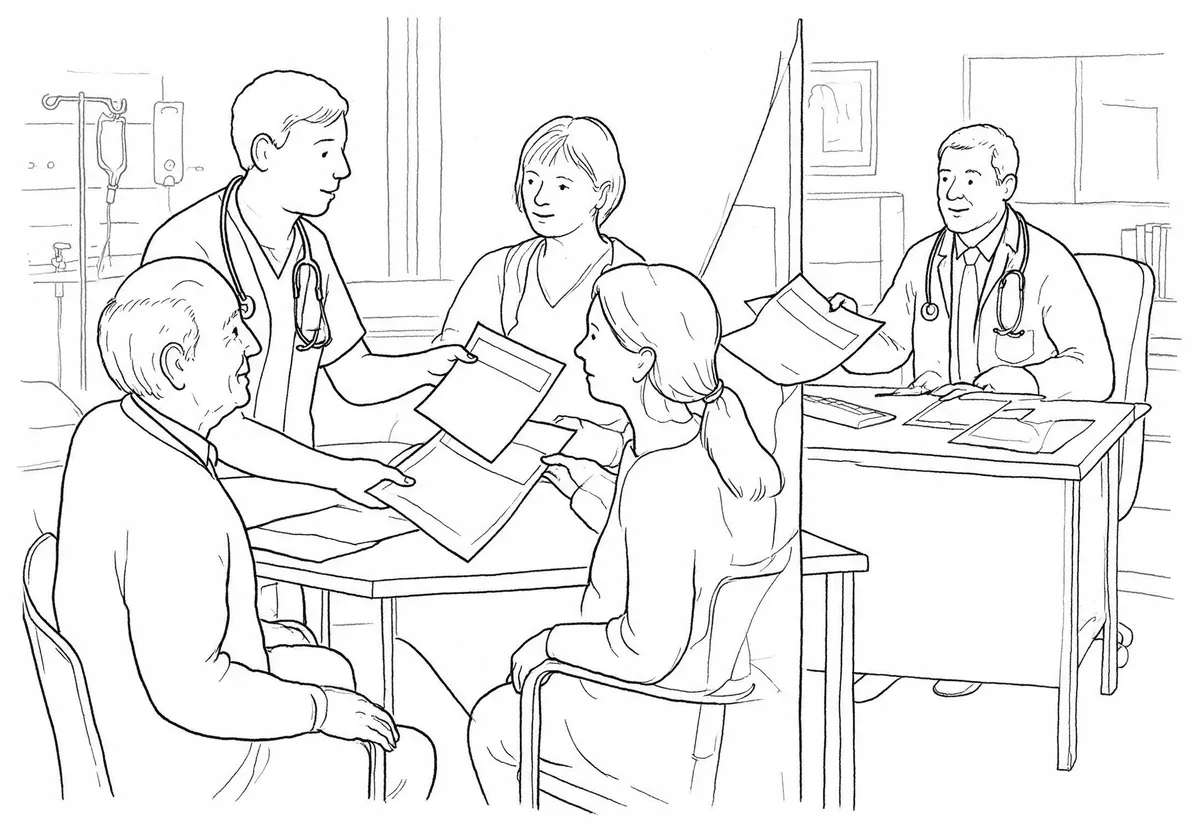
Example handover
Situation: “Mrs Henderson still has delirium. Attention, alertness, and distress fluctuate, and she is not back to her usual cognition or function.”
Background: “Before admission she managed personal care, walked indoors with a stick, made tea, and held long conversations. Her daughter last saw her at this baseline the day before the pneumonia began.”
Assessment: “Pneumonia and hypoxaemia have improved. Urinary retention, constipation, reduced intake, sedating medication, and absent hearing aids have been addressed. She still eats less than usual and needs two people to stand.”
Recommendation: “Continue delirium care and graded rehabilitation. [Named clinician or team] will review attention, alertness, distress, intake, bowel and bladder function, and mobility on [date/time]. Nursing and therapy staff will record changes during each shift or session. Reassess sooner for deterioration, new neurological features or recurrent acute illness. The receiving service has accepted responsibility for this plan and can provide the care described.”
7. Transfer, discharge, and follow-up
A person may still have delirium when they are ready to move to another care setting. If delirium remains, document this clearly. “Delirium is still present” is safer than “confused” because it prompts continued assessment and cause management.
From transfer to follow-up
Repeat the review or refer if uncertainty remains.
- the diagnosis and whether delirium is resolved, improving but present, unchanged, or worsening;
- usual cognition and function, with the source and date of the baseline information;
- onset, course, fluctuation, and current cognitive and psychological features;
- current mobility, self-care, eating, drinking, continence, communication, and sleep;
- causes and contributors identified, treatments given, response, and outstanding concerns;
- a complete medicine reconciliation, including reasons for changes and stop plans for short-term medicines;
- distress, safety, supervision, equipment, and rehabilitation needs;
- the person’s wishes, relevant decision-specific capacity assessment and any lawfully authorised representative;
- what the person and, with their agreement where possible, family or carers have been told;
- the next review date, the responsible clinician or team, and clear reasons for earlier reassessment or re-referral; and
- confirmation that the receiving service has accepted responsibility and can deliver the plan.
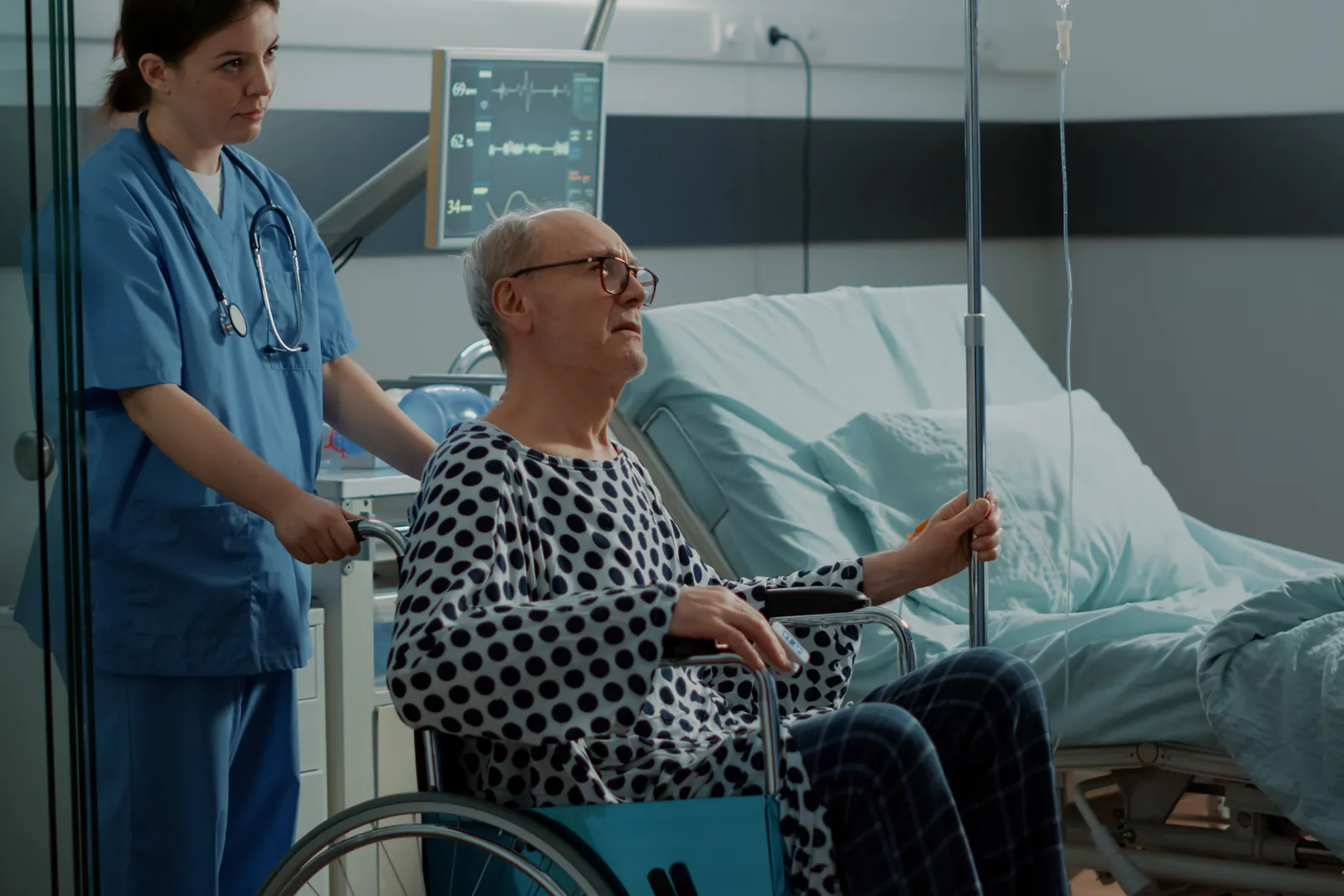
Persistent delirium does not by itself decide whether discharge is safe. The decision depends on medical stability, current function, distress and risk, the support and supervision available, the receiving team’s ability to continue care, and a workable follow-up plan.
Explain that recovery may be uneven and may continue after discharge. Give the person accessible written information and local contact details. With the person’s agreement where possible, include family or carers while respecting preferences and confidentiality. Use a professional interpreter where available if this would support communication. They should know how to seek urgent help for deterioration, a new one-sided weakness or other neurological change, marked reduction in alertness, a seizure, breathing difficulty, fever or other signs of acute illness, a fall or head injury, inability to drink, or another immediate concern.
If delirium does not resolve, NICE advises re-evaluating possible underlying causes and following up to assess for possible dementia where indicated. Ensure that the delirium diagnosis is recorded in the person’s primary care record. Follow-up should also consider ongoing anxiety, low mood, sleep disturbance, frightening memories or other post-traumatic symptoms, and functional recovery. There is no universal time interval for post-delirium cognitive assessment. Arrange a named review when the acute delirium has been managed and the clinical picture is sufficiently stable to interpret, then repeat or refer if uncertainty remains.

Further information to use and share
For practitioners: NICE CG103 includes what to do when delirium does not resolve. The official 4AT website provides the assessment, user guidance, translations, FAQs, and cases. The Australian Delirium Clinical Care Standard gives a detailed example of planning for persistent or resolved delirium at transition. Its specific timings are Australian standards; follow the national and local requirements for your setting.
For people who have experienced delirium, families, and carers: Delirium Support provides plain-language information about delirium, recovery, and ways families can help. Share it alongside local advice and contact details.
These links open in a new tab so that your place in the module is preserved.
Before the questions
These questions help you review the main points. A score of 8 out of 10 lets you create a personal completion certificate. You can review the explanations and try again.
Knowledge check
Choose the best answer for each question. With JavaScript and browser storage available, answers and your place are saved in this tab for the current browser session. Scores and completion-record names remain in the current page. These details are not sent to Delirium Academy. Browser session restoration may bring back saved answers; use Clear all answers to remove them.
Privacy note: the site host and security services may retain standard access logs, as on ordinary websites, but the module does not put quiz answers or the completion-record name into those requests.
0 of 10 questions answered.
Your result
Create your completion certificate
Add your name to create a personal completion certificate. Your name remains only in this browser page and is not sent to or stored by Delirium Academy.
Certificate of completion
Learner name
This records completion of the Delirium Academy online module Persistent delirium: assessment and continuing care.
- Knowledge-check result
- 0/10
- Completion date
- Module
- Further learning
- Estimated duration
- 35 to 40 minutes
- Provider
- Delirium Academy
- Source check
- 8 August 2026
This record confirms completion of this module and shows the knowledge-check result achieved.
Clinical author: Professor Alasdair MacLullich, Professor of Geriatric Medicine, University of Edinburgh; Consultant Physician; co-developer of the 4AT. Affiliation is given for identification only. Delirium Academy is an independent personal project.
Continue learning
- Review the official 4AT user guide and consider how your service records change from baseline and fluctuation over time.
- Compare your local transfer or discharge template with the handover fields in section 7.
- Identify who is responsible for follow-up when a person leaves your service with delirium still present.
- Keep Delirium Support available to share with people who have experienced delirium, families, and carers alongside local advice.
Research references
Selected peer-reviewed research published within the last five years. Each link opens the verified PubMed record.
- Whitby, J., Nitchingham, A., Caplan, G., et al. (2022) ‘Persistent delirium in older hospital patients: an updated systematic review and meta-analysis’, Delirium, 1, 36822. Available at: https://pubmed.ncbi.nlm.nih.gov/36936539/.
- McCartney, H., Noble, E., MacLullich, A.M.J., et al. (2023) ‘A systematic review of studies reporting on neuropsychological and functional domains used for assessment of recovery from delirium in acute hospital patients’, International Journal of Geriatric Psychiatry, 38(6), e5943. Available at: https://pubmed.ncbi.nlm.nih.gov/37294207/.
- McCartney, H., Noble, E., Thompson, K., et al. (2025) ‘Validation of the 4AT for assessing recovery from delirium in older hospital patients’, Age and Ageing, 54(6), afaf166. Available at: https://pubmed.ncbi.nlm.nih.gov/40586121/.
- Crone, C., Fochtmann, L.J., Ahmed, I., et al. (2025) ‘The American Psychiatric Association practice guideline for the prevention and treatment of delirium’, American Journal of Psychiatry, 182(9), pp. 880-884. Available at: https://pubmed.ncbi.nlm.nih.gov/40887950/.
- Allan, L., Um, J., O’Connell, A., et al. (2026) ‘Rehabilitation intervention to improve Recovery after an Episode of Delirium in adults over 65 years (RecoverED): a multicentre, single-arm feasibility study in NHS acute hospitals in the UK’, BMJ Open, 16(4), e102316. Available at: https://pubmed.ncbi.nlm.nih.gov/42020132/.
Clinical guidance and practical resources (6)
Original module references checked on 8 August 2026. The diagnostic reassessment section was clinically reviewed and its sources checked on 28 September 2026. Language edited on 27 September 2026.